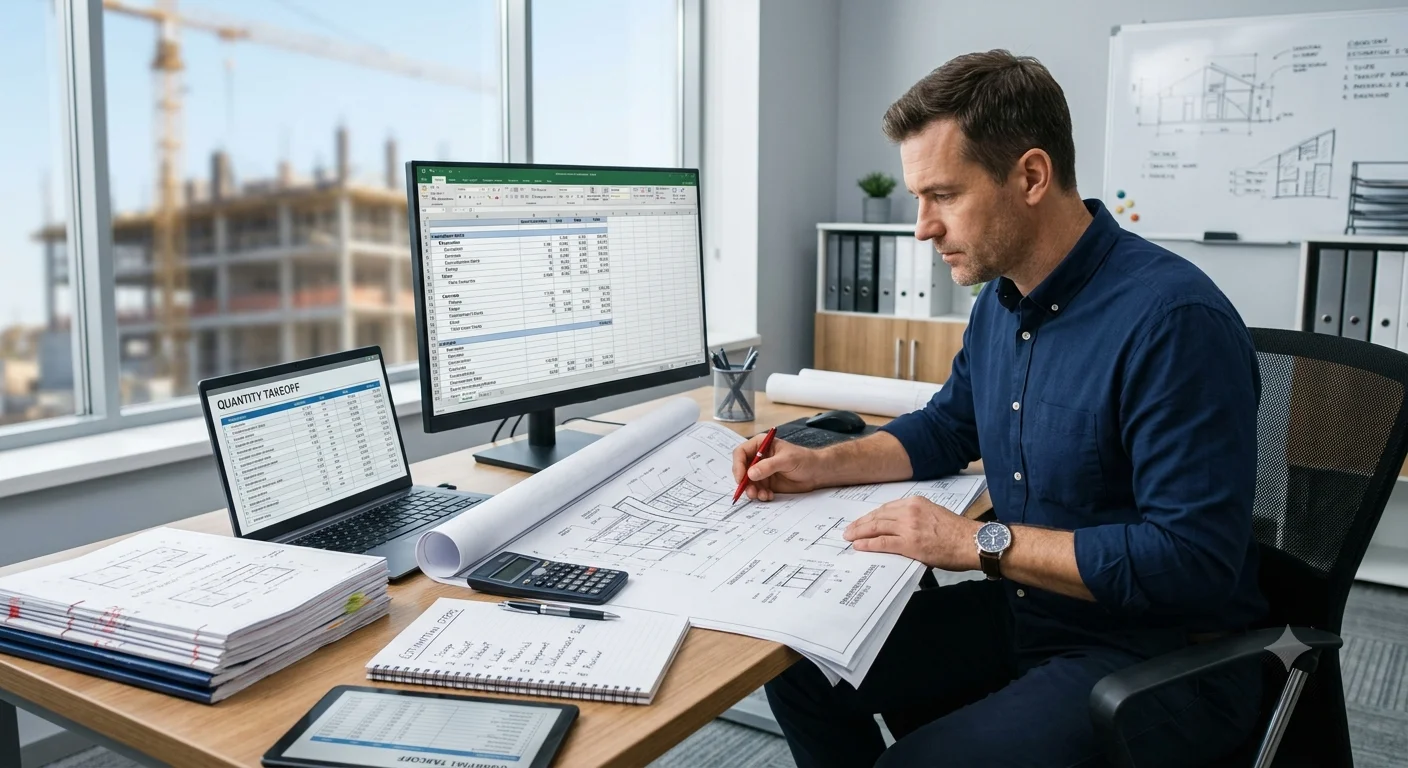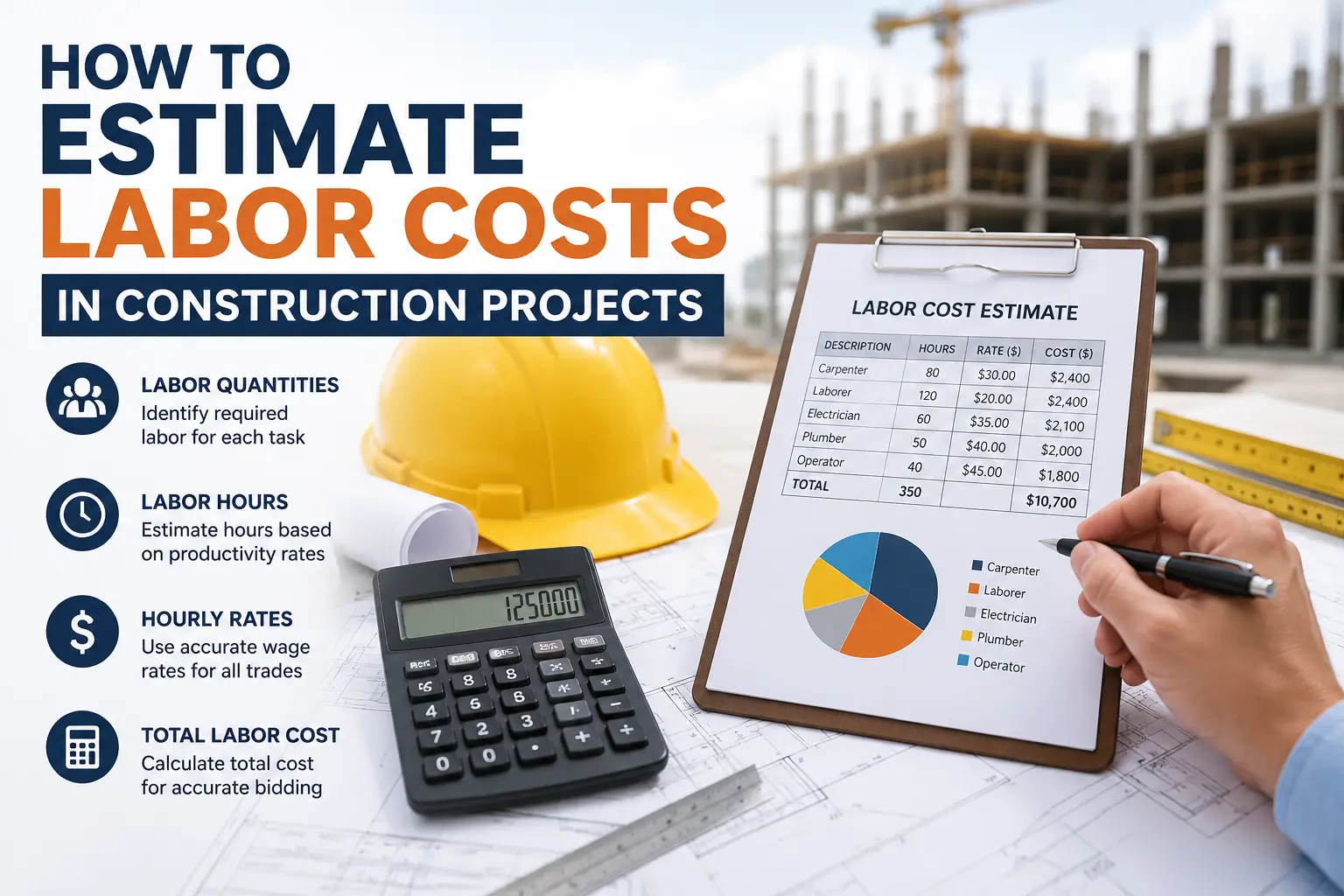
Achieving successful construction plans is not a small feat. The success usually starts from robust construction plans. Construction planning is the foundation that guides project managers and contractors through each step of the building process. It is also an important part of project management and implementation. Whether you are worried about project goals, budget, or resource allocation, construction planning acts as a crucial roadmap that brings efficiency, clarity, and accuracy to every construction project.
Without proper planning, one can face serious consequences as the project can face delays, cost overruns, and resource misallocation. Moreover, planning a construction project is not everyone’s cup of tea. It demands industry-leading knowledge and hands-on experience. This blog will shed light on every single essential detail of construction planning, demonstrating its elements, importance, key steps, and technologies involved in the process. Let’s delve into the details!
What Is a Construction Plan?
A construction is a specific roadmap and document that demonstrates the fundamentals of a construction project, emphasizing how the project will be carried out from conception to execution. It outlines activities and schedules for each part of the construction process. The plan also defines the scope of work, describes the design, resource allocation, timeliness, and methods associated with the project. Construction planning integrates technical drawings, specifications, and key strategies to enhance the project’s efficiency.
Types of Construction Plans
| Types of Plans | Description |
| Site Plans | Includes layout of the construction site, access roads, utilities, and drainage |
| Structural Plans | Involves load-bearing elements and reinforcement |
| Floor Plans | Interior space arrangements |
| Electrical & Plumbing Plans | Includes wiring, fittings, circuits, and pipelines |
| Project Execution Plan | More focus on management, covering schedule, cost, and risk assessment |
Why Construction Plans Are Important?
A construction plan is one of the important elements of a building project, serving as a blueprint that guides the whole process from design conception to implementation. Here are the advantages of construction plans.
Brings clarity to the project roadmap
A construction plan offers a well-structured framework that defines each phase of the project. It shed light on the different plans with specific orders and a timeline. The plans also ensure that all the stakeholders involved in the project understand the project’s goals and objectives clearly.
Budget Management
A well-defined plan also helps in managing the budget and controlling costs. Managing the costs is not an easy task during the construction project. With detailed project plans, one can prevent cost overruns, improve financial planning, track expenses, and ensure cost clarity.
Efficient Resource Allocation
A construction project depends on time, labor, money, and materials used in the project. A good plan ensures that these resources are allocated accordingly and properly. As a result of efficient resource allocation, the project avoids wastage of materials, sudden shortages and improves the project’s productivity.
Risk Assessment
Every construction project comes with a lot of risks, ranging from weather issues to safety hazards to procurement bottlenecks. In this situation, a construction plan comes in handy, assessing potential risks beforehand and suggesting different strategies to mitigate and tackle these risks, thereby reducing the chances of mishaps and legal issues.
Improved Collaboration
Besides analyzing risks, a construction plan acts as a common point for all parties involved in the project, enhancing communication among all stakeholders. The plan not only reduces misunderstanding but also ensures the alignment of the parties’ goals according to project requirements.
Adherence to building codes
A proper plan adheres to building codes and minimizes the chances of one getting involved in lawsuits over improper land use and poor building standards.
What Should Be Included in a Construction Plan?
A construction plan consists of several key elements that make the plan successful for your construction project. Here is the detail of these fundamentals!
Project Overview
The project overview starts with a general introduction of the project, including the type of construction project, such as residential, industrial, and commercial. One must state the clear goals and objectives of the project. Also define the work to be performed, its deliverables, and the boundaries of the project.
Design & Specifications
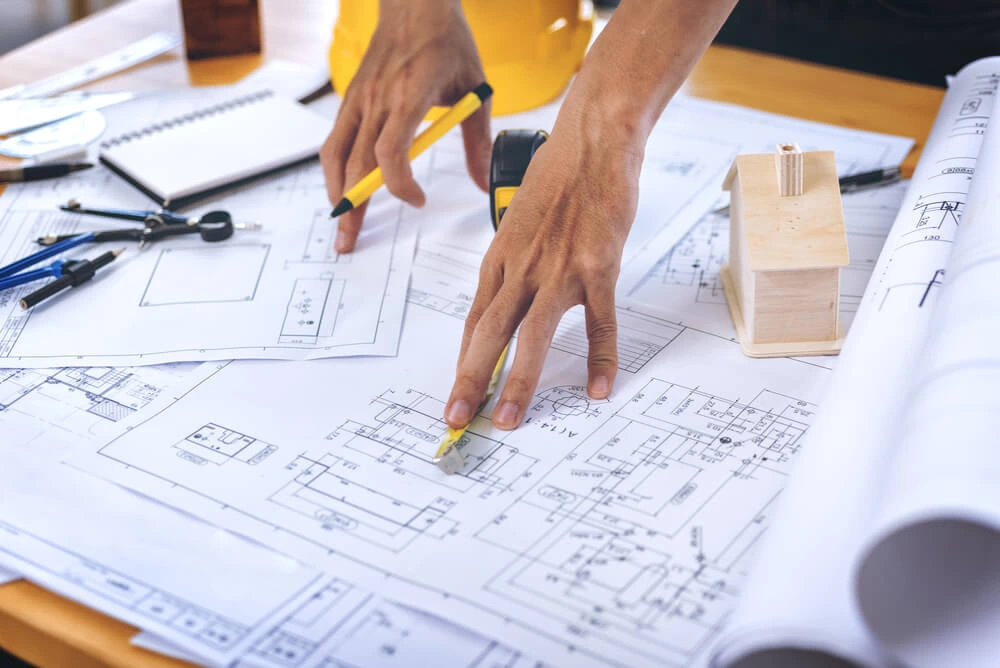
The specifications include architectural plans, which include elevation, floor plans, sections, and design details. While adding the structural plans, one must add the load-bearing details, beams, columns, and foundations. For MEP drawings, also add mechanical, electrical, and plumbing layouts. The plan should also include quality, grades, and the standard of materials to be used.
Scope of Work
The next key fundamental in construction planning is identifying the project objectives and defining the scope of work. It outlines tasks, timeliness, milestones, and responsibilities associated with each aspect of the construction project.
It also includes:
- Work breakdown structure
- Responsibilities
- Project exclusion and bottlenecks
- Project goals
- Scheduling
- Performance criteria
Project Schedule
It consists of various parts.
- Timeliness and Milestones: It includes the start and finish dates for each of the projects.Water Breakdown Structure (WBS): for better understanding, break the project into manageable tasks.
- Critical Path Method: It helps visualize dependencies and the sequencing of activities.
- Deadlines: Key dates for inspections, approvals, and final handover.
Resource Planning
In resource planning, the plan must include labor requirements, skill levels, selection of materials and their quality, machinery required, and cost estimates for all types of resources.
Safety Plan
In a construction project, safety holds a significant importance. Therefore, the safety plan should include safety standards like local and OSHA laws, protective equipment requirements, emergency protocols, and training programs.
Construction Project Planning Steps
1. Project Initiation
Every construction project starts with a case that shows the feasibility of the project and what it is going to take to start the project. Start by creating a project initiation document that describes the following requirements:
Budget: total cost estimates of the project, including labor, materials, equipment charges, and permit fees.
Resources: they include materials needed for the design and building plans.
People: It shows the number of workers required for the construction project.
The purpose of the document is to jot down all the requirements of the construction project.
2. Define Plan Goals
In the next step, one must turn the document plan into a realistic and concrete construction plan by setting the different goals, helping you guide throughout execution.
Specific: Set specific goals for your project, including timelines, budget, and scope
Measurable: Agree on how you will measure success for goals.
Attainable: The construction plan must be attainable enough for you to achieve your objectives.
Realistic: Project goals should be realistic and achievable within a time frame you set for the project.
Timely: Lay out a specific time frame within which you can realistically expect the project to achieve these goals.
Collaborative: Before starting a project and developing a robust plan, it is important to hold a collaborative meeting among different stakeholders.
Limited: Limit these goals both in terms of scope and time
frame to not get overwhelmed.
3. Execution of Plan
After defining all the realistic goals, it is now important to execute your plan. You can start by developing a high-level project timeline, including milestones and key deliverables. Once you have a timeline in place, start collecting the details for each project. Supervise the work goals, whether it is aligned with the project or not. For this, if possible, one can hire a project manager for better execution.
4. Track the Progress
It is also important to track the performance of your construction project according to a well-crafted plan. In the case of any roadblock, you will have the possibility to rectify things. One can use key performance indicators to monitor the progress of their projects. You must track project objectives, performance, and quality of the project.
To stay on top of your construction project schedule, maintain accurate records to analyze progress and decide course corrections. Keep our documentation tracker template handy to track all project documentation and deliverables.
Who Makes the Construction Plan?
| Stakeholders Involved | Role in Planning | Key Contributions | Importance |
| Client | Provides project requirements and vision | Defines project goals, budget, and timelines | Ensures the plan aligns with their expectations and financial capability |
| Structural Engineer | Ensures the design’s structural safety | Calculates loads, materials, and reinforcement needs | Guarantees the durability and safety of the construction |
| Architect | Designs the structure and overall layout | Prepares drawings, blueprints, and design specifications | Ensures functionality, aesthetics, and compliance with codes |
| MEP Engineers | Plan building systems | Design HVAC, electrical wiring, plumbing, and fire safety systems | Provides comfort, efficiency, and compliance with safety standards |
| General Contractors | Oversees the execution of the project | Develops work schedules, allocates labor, and sources materials | Translates design into physical construction while managing costs |
| Subcontractors | Specialized task execution | Handle specific trades like carpentry, masonry, roofing, and painting | Ensure quality and efficiency in specialized work areas |
| Quantity Surveyors | Manages project costs | Prepares cost estimates, bills of quantities, and monitors expenses | Ensures financial control and prevents budget overruns |
| Project Managers | Coordinates all parties and resources | Prepares detailed project schedule, cost control, and risk management | Keeps the project on track with time, budget, and quality |
| Consultants | Ensure compliance with regulations | Provide expertise in sustainability, safety, and environmental impact | Reduce risks and maintain regulatory standards |
| Government Regulators | Approve and monitor plans | Issue permits, zoning approvals, and inspect work | Ensure the project complies with building codes and laws |
Construction Planning Software and Tools
For better accuracy, construction planning tools and software come in handy, helping in managing the complex processes of building projects. These tools help in developing plans, assist in timelines, and track progress.
Primavera P6
It is widely used for large-scale projects. The main features include portfolio management, resource leveling, risk management, and critical path analysis.
Procore
It is usually a cloud-based tool that covers scheduling, project management, financials, documentations, submittals, and cost management. Being mobile-friendly, this tool is really helpful for general contractors, subcontractors, and project managers.
Microsoft Project
The stakeholders can manage scheduling, reporting, and resource allocation with the help of such tools. It is best-suited for medium to large contractors.
Buildertrend
This software is popular for residential and small contractors. By utilizing these tools, one can excel in scheduling, budgeting, change orders, and cost analysis.
Autodesk Build
It is used for field collaboration and document management. The main features include estimating, scheduling, budgeting, and communication tools. The strength of tools lies in user-friendly, CRM, and client collaboration. When it comes to cons, it is only best suited for small to mid-level projects.
Bluebeam Revu
It is used for document collaboration, which is PDF-based, drawing markup, digital takeoffs, and documentation. The tool is great for design review, takeoffs, and strong PDF tools.
Construction Plan Example
Let’s delve deep into the example of a construction plan for better understanding.
Project Overview
Project name: Green Valley Residence
Location: Virginia, US
Duration: 9 months
Budget: $650,000
Scope of Work
Site preparation, like clearing land, surface grading, and soil compaction
Repair or lay the foundation with steel
Focus on structural work, like framing, interior, and exterior works
Work Breakdown Structure
- Pre-construction
- Site preparation and foundation
- Framing & structural work
- MEP systems
- Exterior finishes
- Interior finishes
- Exceution & Finalization
Make a Timeline Schedule
March 2025: Permits & Design Finalization
April–May 2025: Site Prep & Foundation
June–July 2025: Framing & Roofing
August 2025: MEP Installations
September 2025: Exterior Work
October–November 2025: Interior Work
December 2025: Final Walkthrough & Handover
| Cost Breakdown | Cost |
|---|---|
| Land Preparation & Permits | $30,000 |
| Interior Finishes | $180,000 |
| Roofing & Exterior | $80,000 |
| MEP Systems | $120,000 |
| Foundation | $60,000 |
| Framing | $100,000 |
| Landscaping & Exterior Works | $40,000 |
| Contingency (10%) | $40,000 |
| Total | $650,000 |
Regulatory Compliance
Acquiring permits, building codes, and environmental considerations.
Tips for Creating an Effective Construction Plan
An effective and well-prepared construction plan requires a lot of effort, knowledge, and strategies. Here is a complete guide on developing an effective construction plan that ensures projects are completed on time and within budget.
- Before preparing the construction plan, it is necessary to define clear objectives and the project’s scope. One must identify the client’s expectations and establish clear success criteria.
- Also assess site conditions and analyze environmental risks such as weather and regulatory approvals. To avoid any delay, one must identify logistical challenges.
- Always divide the project into manageable tasks and assign specified responsibilities to different stakeholders to avoid any confusion.
- Creating a realistic timeline will also bring dividends. For this, always use tools like Gantt charts or Critical Path Method (CPM). During project initiation, also include buffer times for delays, such as weather, inspections, and material shortages.
- Budget planning before starting a construction project is also a crucial tip. Identify cost-saving opportunities and avoid cost overruns. Continuously track your spending to thwart hidden surprises.
- Construction planning and safety always go hand in hand. Evaluate risks, including safety hazards, design errors, and supply chain constraints. Develop mitigation strategies to tackle the issues.
- Secure permits and regulatory approvals before starting the construction project planning. Also, ensure compliance with building codes, laws, and safety standards.
- Define quality benchmarks for materials and implement regular inspections.
- Establish clear communication among the stakeholders to avoid any kind of confusion during construction planning.
How to Maintain Your Construction Project Plan
Maintaining a construction project is just as important as creating it. A well-designed construction plan can quickly lose its efficacy if it is not actively monitored, updated, and aligned with real-time conditions.
- First, one must regularly update the plan based on site realities, as construction projects are prone to many logistical, environmental, and design challenges. Always schedule weekly or bi-weekly reviews to update timelines, manpower requirements, and delivery schedules.
- Keep a track of the progress and track completion status against these markers to identify early delays. For better accuracy and performance, use tools like EVM (earned value management).
- It is also important to maintain transparent communication. Ensure all stakeholders are updated with the latest plan revision. Also, use collaborative platforms or software for real-time updates.
- Manage the scope changes effectively and proactively. Many projects fail due to scope inefficiency. Create a change request protocol where any change is required.
- Track the resources effectively to avoid any logistical bottlenecks. Predict shortages early so the procurement challenges can be avoided beforehand.
- Keep documentation preserved and organized to avoid misinformation and keep track of every progress.
- Always make room for flexibility in your project by including buffer time for critical activities. Keep contingency budgets for price fluctuations and unpredictable labor needs.
Get In Touch With Us Today For More Details
Are You Looking For an Expert for Effective Construction Planning?
Are you struggling with creating and maintaining the construction planning for your construction project? Crafting a construction project plan is not an easy task. It demands expertise and knowledge. Are you looking for a professional company? Look no further! At Cost Bidding, we take pride in delivering construction estimating and planning services for all kinds of projects. Our professional team excels at delivering construction documentation, Construction lead generation, and construction planning. In the initial meeting, our estimators understand your requirements and offer the best possible suggestions to make a plan. Contact us now!
Conclusion
No one can deny the importance of an effective construction plan to unlock the success of your project. Being a roadmap, a plan lays the foundation, sets a timeline, allocates resources, defines goals, maintains transparency, and ensures quality completion. Without this, it is next to impossible to achieve successful project completion within the established timeline. We are at your service to assist you in better planning and execution. Visit our website now!
FAQS
1. Why is construction planning important?
Construction planning ensures timely completion, helps cost control, mitigates risks, improves collaboration, and offers a clear roadmap for implementation.
2. Define the key components of a construction plan.
● Scope of work
● Cost analysis
● Work breakdown structure
● Resource allocation
● Risk management
● Quality measures
● Scheduling
3. What are the common methods of performing construction planning?
Critical Path Method
PERT charts
Gantt charts
Line of Balance
4. Enlist challenges one can face during planning?
● Logistical shortages
● Inaccurate cost estimates
● Unexpected site conditions
● Safety hazards
● Weather delays
● Poor communication
● Regulatory issues