A fire pit looks simple from the outside. But during construction, contractors and builders experience many problems due to base instability, bad layout that traps heat, and an inaccurate estimate that reduces your margin. To overcome all these and similar challenges, you must understand how to build a fire pit, its cost, and local building codes before the project starts. This is the only way to bid accurately and win the contract efficiently. So, let’s start!
Key Aspects You Must Know Before Building a Fire Pit
Before you start digging, you must understand the following aspects to plan and execute your job like a professional. This is essential because the fire pit size mostly comes with many unforeseen expenses.
-
Regulations and Safety Permits
Codes
Local code comes first when you target fire pit projects. Many cities restrict open-flame structures, especially in dense neighborhoods. Plus, HOA rules can be stricter than city rules, so check both before you price anything.
Safety
Also, call 811 before any digging. Underground gas, power, and irrigation lines can turn a small scope into a shutdown. Insurance carriers also care about compliance, because fire-related claims move fast and cost money.
Risk
As a contractor, you should take permits, setbacks, and inspection time as billable risk. If the municipality wants an approved detail or fuel-line review, carry that into the estimate.
-
Location and Clearance Requirements
Clearance
Most local jurisdictions require a minimum setback from structures, fences, and low branches. Therefore, you often see 10 to 25 feet from combustibles. This is not final for your project; see the local rules for the exact figure.
Airflow
Put the smoke where it leaves the seating area, not where it circles back into it. Overhead clearance needs attention as well, especially near pergolas, trees, and the lower edges.
Ground Surface
The ground surface of the area also changes the risk. Dry mulch, turf, and decking need more protection than compacted mineral base or concrete. So, ensure a safe location that can protect your client and your liability.
-
Materials and Durability
Durability
Material choice decides how long the pit lasts and how well it handles heat. A fire pit should use fire-resistant lining where needed, especially around the burn chamber. Remember that a standard decorative block alone is not enough.
Porosity
Porous materials are a problem because they hold moisture. When they heat up, trapped moisture can crack, spall, or pop. That is why wet river stone and random fieldstone can be risky in high-heat zones.
Trapped moisture in porous stones expands rapidly when heated. The internal pressure (P) can exceed the material’s tensile strength, leading to spalling or explosive cracking. Using materials with a low coefficient of thermal expansion is best for long-term durability.
Foundation
Also, keep an eye on the base or foundation. A compacted crushed stone base drains better and stays more stable than loose soil. For a durable stone fire pit, the assembly needs a strong base, heat-safe inner ring, and clean separation from surrounding finishes.
For a new foundation, see How Much Does a Foundation Cost, including Footings & Slab.
-
Design and Functionality
Fire Pit Size
It should match the yard and the seating plan. A standard backyard pit is around 3 to 5 feet in diameter with a wall height of around 12 to 18 inches for comfort and visibility.
Ventilation & Thermal Expansion
Airflow under the bowl or through the wall system helps the fire burn cleaner and reduces heavy smoke. However, ventilation also serves a critical structural purpose. Professional masonry pits require a Thermal Expansion Gap, a 1/2 to 1-inch air gap between the fire-rated inner lining and the outer decorative stone.
Seating Plan
A solid fire pit landscape design should balance the pit, walking paths, and the rest of the hardscape. So, leave enough circulation space so chairs do not crowd the heat zone.
-
Fuel Type: Wood vs. Gas
Wood
Wood-burning pits are taken traditionally and usually cost less upfront. After building, they need more cleanup, more smoke control, and more clearance discipline. Clients like the look, but they rarely think through ash removal or ember control.
Gas
Gas pits cost more to install, but they give you a cleaner operation and easier start-up. Propane keeps the install simpler in some cases. And remember that natural gas often needs more coordination, but it can deliver a smoother long-term experience.
Wood Vs Gas
For contractors, the fuel type changes the project scope. Gas means lines, valves, inspection, and more trade coordination. However, Wood means more masonry, more heat exposure, and more tolerance for ash and soot.
Here is the table showing the difference between wood and gas-based fire pits.
| Feature | Wood-Burning | Gas (Propane/Natural) |
| Upfront Cost | Lower | Higher due to lines and valves |
| Maintenance | High due to ash and soot | Low due to clean burn |
| Regulation | Stricter due to smoke and embers | Moderate due to utility codes |
-
Fire Pit Building Cost
Estimates
In 2026, it costs between $1,500 – $3,500, with an average of $2,500. Remember that the fire pit expense depends on how deep the project scope is. A simple build mostly stays in the low thousands, and a custom hardscape feature with gas, seating, and lighting costs more.
Variables
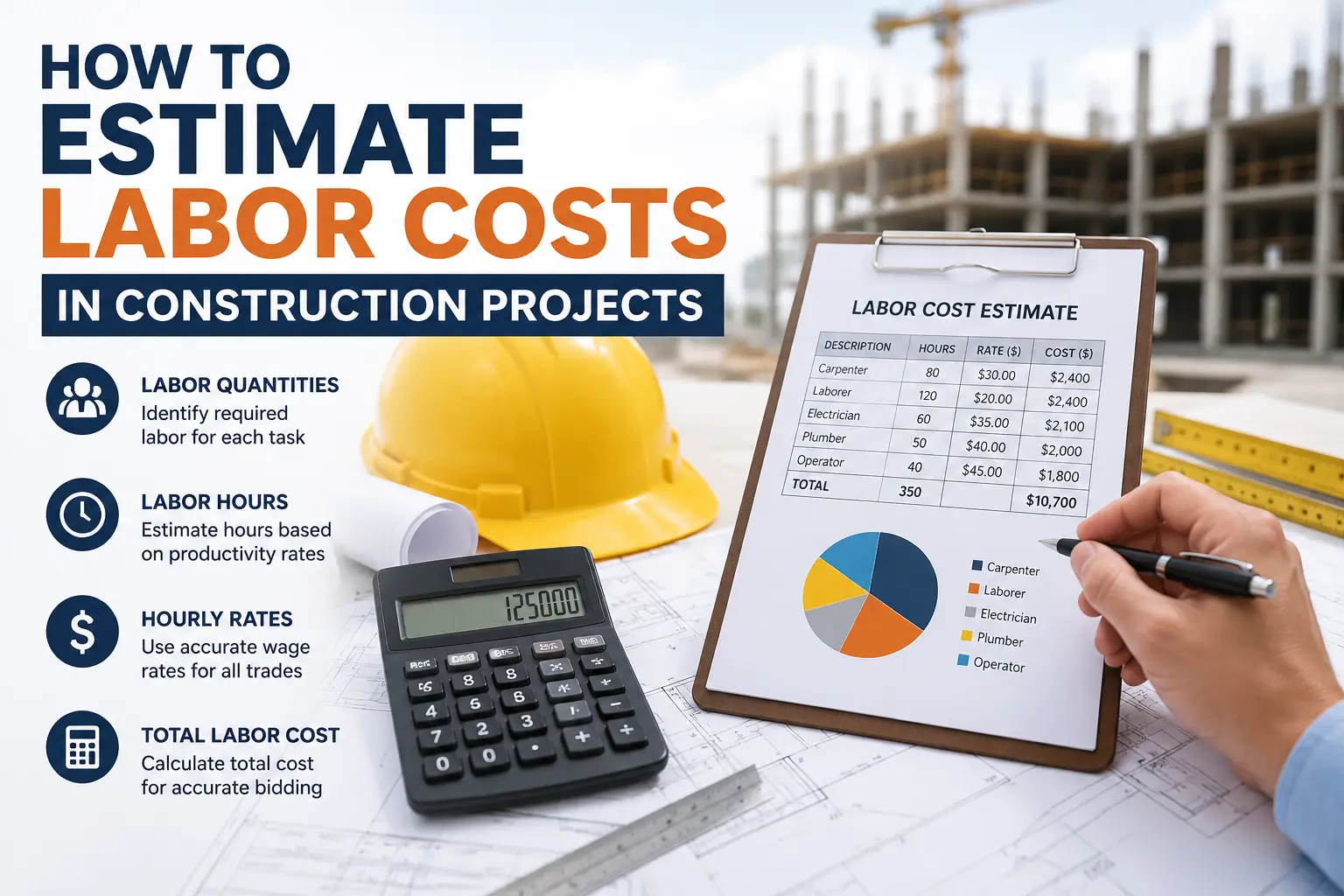
Do you know what affects the fire pit building cost the most? Labor and materials. How much labor is required, material quality, site grading, access limits, and utility work all increase the project cost. Equipment adds cost too, especially when the team needs compaction tools, saws, trenching support, or concrete handling.
Note: Keep in mind that local labor availability and fluctuating masonry freight costs in 2026 can affect the estimates by 15-20%.
Scaling
A standard fire pit installation can move from a small decorative job to a full outdoor living package very quickly. When the project is extended due to the addition of drainage corrections, premium finishes, or a full patio tie-in, estimates change. Thus, keep an eye on these factors and deal with them on time to avoid unforeseen expenses later.
Step-by-Step Process to Build a Fire Pit
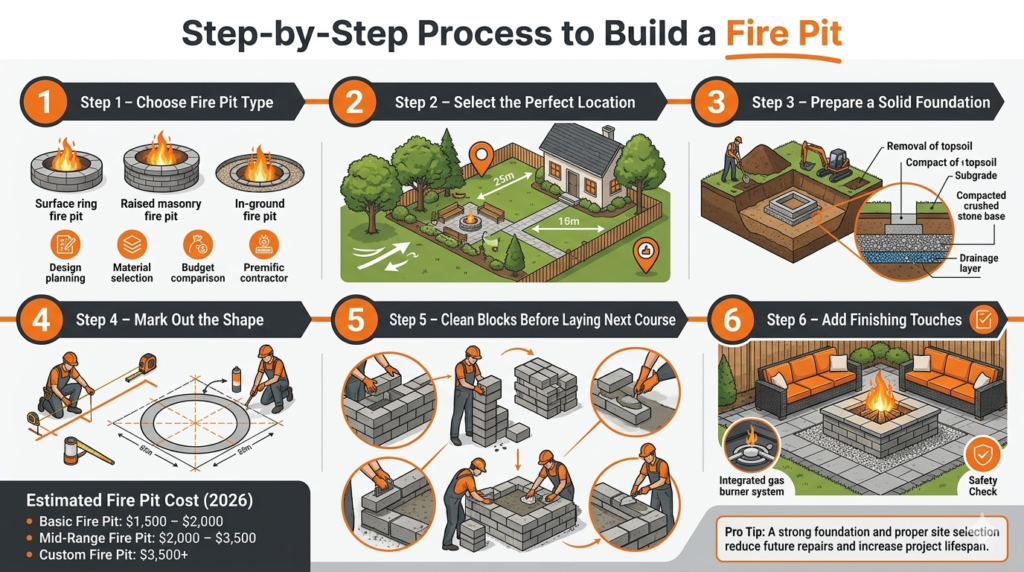
Once the project scope is set, build a precise sequence to keep the labor efficient and limit rework. This is where you lay the foundation to keep your margin high.
Let’s learn how to build a fire pit with a step-by-step process!
-
Make a Choice Among Different Types
Start by choosing the pit style. A simple surface ring, a raised masonry feature, or an in-ground fire pit all need different labor and material inputs. Furthermore, the choice also affects drainage, excavation, and finish detail, and hence the project cost.
The best suit depends on your client’s lifestyle. A backyard family space wants different proportions than a rental property or hospitality patio. So, consider both design and appearance early in the process.
If the client requests a basic entry-level build or a pre-fabricated kit installation, keep the project scope flexible. Why? Because small changes in shape, fuel source, and liner choice can significantly affect the project’s total cost.
-
Choose The Perfect Location
After deciding on the type of fire pit, shift your attention to the exact location. While doing so, check slope, access, wind, overhead obstructions, and the relationship to the house. Whatever the location you choose, make sure that the rest of the build remains untouched and unaffected.
Also, look at how people will move around the area. A pit placed too close to a walkway feels cramped. And the one that is placed too far from the seating area seems disconnected and awkward. So, make a choice smartly.
The best location lets smoke move away from people and gives the building team the room to work. That saves time during construction and reduces complaints once the project is done.
-
Prepare A Solid Foundation
As already mentioned, the base is where the project either holds or fails. Excavate enough to remove soft topsoil, organic material, and loose debris. Then compact the subgrade before adding the base layer.
Most builds benefit from a crushed stone base that drains well and stays locked in place. In wetter soils, a thicker base helps reduce movement. Consider these factors because heat, moisture, and freeze-thaw cycles all affect the structure.
Note: Foundation significantly affects the project total. More excavation, more compaction, and more imported base material all increase fire pit building costs. And if you skip this, it will cost even more later in the form of reworks.
-
Mark Out The Shape
Once the base is ready, mark the exact footprint. Use string lines, paint, or a template to control the curve and the diameter. Ensure consistency here, because crooked walls get highlighted easily on a small feature.
A clean layout also helps the labor team move faster. They can cut once, set once, and keep the build streamlined. It will reduce labor hours and increase your margin.
Note: If the pit includes a surrounding patio or seating wall, mark those zones too. This will keep the feature balanced and prevent the fire pit from looking pressed into the design.
-
Clean Blocks Before Laying The Next Course
Dust, mortar residue, and loose debris weaken the bond and ruin the finish. Therefore, as you stack the units, clean each course before the next one goes on. For a block or masonry build, clean surfaces help the adhesive or mortar grab properly. That keeps the course aligned and reduces rework. It will also shape the final look of the fire pit.
And if you are using a unit with decorative faces, cleanliness matters even more since stains and chips show up once the pit starts taking shape.
-
Add Finishing Touches
Finish the job with caps, trim, and any protective detail the design requires. Add gravel, seating zones, or a surrounding apron if the contract includes them. For gas units, complete the burner, ignition, and test sequence before turnover. Last, verify flame behavior, clearance, and shutoff performance.
How to Save Maximum on a Fire Pit Building Project?
It’s all about the jobs before the building team enters the area where fire pit construction is required. In other words, you can avoid overspending with smart material sourcing, the right construction method, cost-efficient designing, considering building codes, and estimating the project cost earlier than construction. Let’s breakdown each for better understanding.
-
Smart Material Sourcing
Use Leftover Materials
Only when they actually fit the project specifications. This will reduce waste and lower purchase volume. But do not force mismatched materials into a heat-sensitive build just to save a few dollars, as it can cost you more than actual construction later.
Buy in Bulk
Do this when the same materials are required for the patio, pit, and seating area; this will improve unit pricing and reduce delivery costs.
Buy Locally
Sourcing locally will cut freight, which is a lot for heavy masonry products.
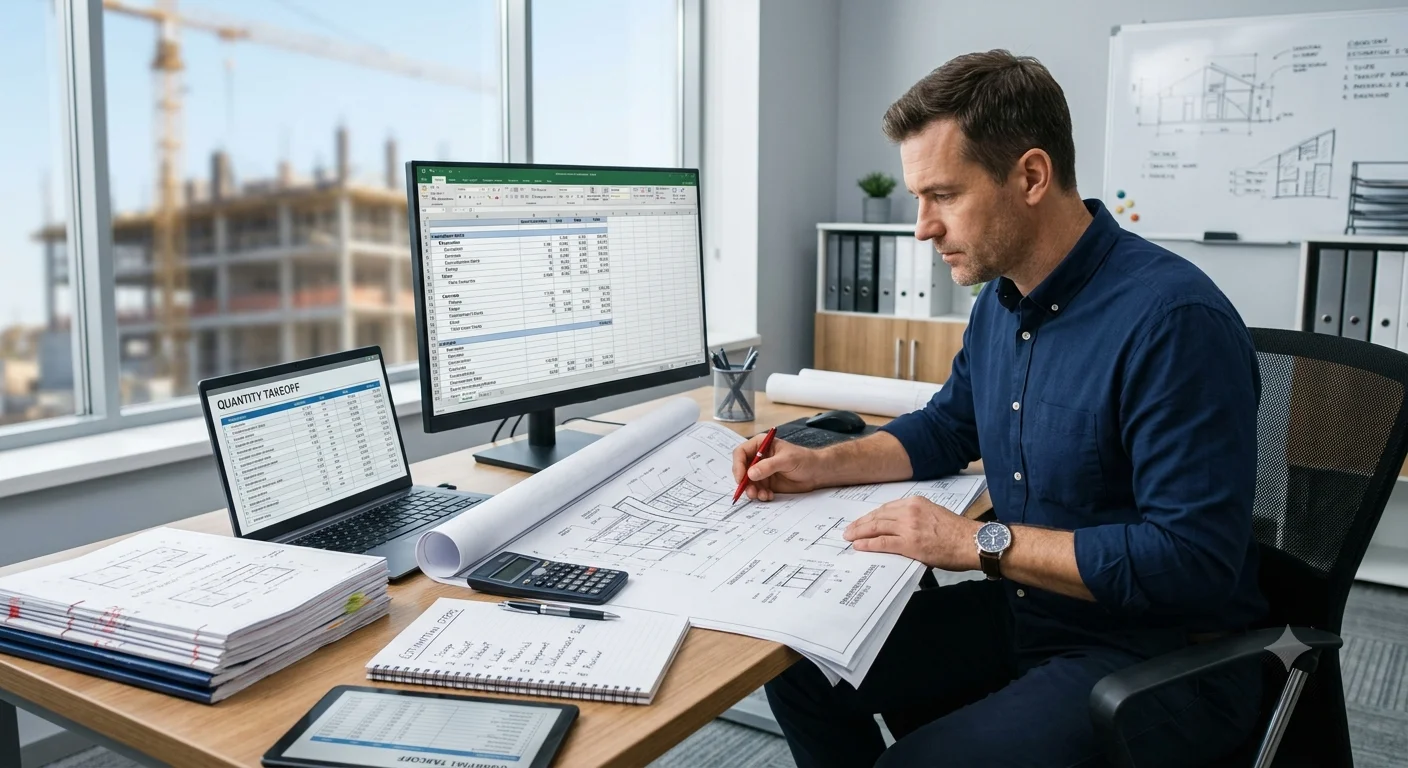
Suggestion: Outsource construction takeoff services for better materials selection and quantity control. This will lead to fewer overorders, less jobsite waste, and a higher margin.
-
Smart Construction Methods
Rely On Dry Lay Method & Pre-Cast Kits
Dry lay methods can save time on some fire pit builds because they reduce mortar work and cure delays. Similarly, pre-cast kits can simplify labor by removing custom fabrication from the field.
Use High-Strength Adhesive Foam
It speeds particular hardscape assemblies when the system allows it. It can reduce messy mortar handling and shorten install time. But the material you choose must fit the manufacturer’s specifications and the heat exposure.
How Does This Save Money?
The primary savings come from reduced labor hours and streamlined installation steps. When the field process gets simpler, the expenses become easier to manage.
-
Cost-Efficient Designing
Go with Good Designs
It is where you can save money before construction starts. A simple footprint, fewer curves, and a tighter finish plan reduce labor hours, and hence the project total cost.
Manage Drainage
If water collects under the pit, future repairs get expensive. So the design should move water away from the structure and keep the base stable.
Choose Strategic Media for Gas Projects
The wrong fill or decorative stone can cause maintenance and heat-management issues. You must benefit from feasibility analysis and value engineering to avoid these problems, making your bid worth winning.
-
Check for Safety & Regulatory Efficiency
Review Local Codes Early
This is where many cost overruns begin. A permit delay, setback adjustment, or inspection correction can make a labor team intense without producing any visible progress.
Consider Safety Compliance
It is something that keeps the project schedule on point. If the pit needs a specific liner, spark screen, or gas shutoff detail, estimate it up front. This will enable the field team to build on specifications without getting into hazards.
Note: This is another place where estimators play a special role in a fire pit building project, benefiting you with landscaping estimating services. During the assessment, they spot compliance costs before the issues show up and reduce your margin. Simply put, they make your bids more and more impressive.
-
Estimate the Fire Pit Building Cost First
Many contractors risk 5-10% of their margin due to errors in estimates; this means precision and accuracy are essential for them. A reliable estimate saves time because it reduces revision cycles. Similarly, it saves money because it limits waste and underbidding. It also supports a higher profit margin because the project scope is estimated with less guesswork. Contractors who estimate first can compare options, adjust materials, and price risk correctly.
Note: Also see How to Estimate Construction Costs for a step-by-step budget assessment process.
Outsource Landscaping Estimators to Ensure You Win the Bid!
Fire pit work is covered inside a larger outdoor living budget. This means your estimates have to hold against patios, retaining elements, drainage, and site work. One weak line item can drag the whole bid down.
Outsourcing landscaping estimators can give you the right takeoff and a precise bid set. It also helps estimate labor realistically when the site includes grading, accessories, or mixed materials.
With Cost Bidding, you can reduce guesswork and focus on winning projects that are doable and profitable. The accurate estimates provided by this team will protect your project schedule and margin while ensuring your win.
Start Bidding & Building Smartly Today!
FAQs
How to make a fire pit area on a budget?
Keep the layout simple, reuse suitable materials, and skip complex curves. Choose a compact footprint, dry-lay where allowed, and avoid expensive utility changes.
How to make sure a fire pit is safe?
Check local code, call 811, and maintain proper clearance from structures and trees. Also, use heat-safe materials, compact the base, and confirm stable drainage. Above all, test the flame zone before handoff, especially on gas units.
What is the best material for a fire pit?
Fire-rated block, fire brick, and heat-tolerant stone mostly perform best. Remember that the right material choice depends on fuel type and exposure. For most fire pit builds, non-porous, stable products work since they handle heat without cracking or spalling.