In construction, money is linked just as closely to materials, design, and labour. A construction project will not be a success, regardless of how well thought-out or technically advanced, without an appropriate financial arrangement on hand: in other words, a construction budget. The construction budget establishes the basis for cost controlling, measuring and monitoring of all expenditures, and completing the project within the defined limits is not simply doing number addition. The act of preparing a construction budget is all about planning, forecasting, and anticipating when challenges arise (as they typically do) during the building/building decision-making process.
This blog will review the construction budget: what it is, why it is important, the steps to creating a budget, and how to administer the construction budget through the construction process.
What is a Construction Budget?
A construction budget is an extensive plan with costs that relate to a construction project from the preliminary design stages to the completion of the project. It encompasses direct costs (labour, equipment, materials) and indirect costs (permits, insurance, overhead). A construction budget is more than a cost estimation; it’s a financial plan that is constantly evolving and can affect decisions regarding finances.
Contractors, project managers, and stakeholders use the budget as a basis to assess the feasibility of a project, plan procurement, consider expectations for project delivery, etc. The reality of the budget is that it will define not only what the project will cost but also how those costs are going to be managed.
Importance of Creating a Comprehensive Construction Budget
Construction budgets are vitally important. In fact, an overall budget is designed to serve a number of important roles, including:
1. Financial Control – The budget establishes a spending limit on the project, assisting in the viability of the funding.
2. Resource Allocations – Budgeting ensures the overall budget million is economically allocated across all materials, labour, equipment and contingency costs.
3. Decision-Making Tool – The budget creates confidence for the stakeholders when making important financial decisions associated with the project, regardless of whether that decision is on plan changes, increasing the budget, or planning to restrict costs.
4. Shows Professionalism and Confidence to Clients – an overall and comprehensive budget shows the professionalism of the stakeholders and increases confidence that the client’s project is effectively being managed.
5. Reduce Risk risk/uncertainty – if overall budget has examined reasonable /expected risks, the budget will include some sort of contingency fund that can address varying situations if they occur during the course of the project.
In fact, without a comprehensive budget, even the simplest construction project can spiral into issues of overspending, time delays or opponent disputes, even without actually running out of money.
Identifying Project Requirements
The first step of calculating costs would be to identify all project requirements. The planning and management of a building project are commonly referred to as identifying project requirements:
Scope of Work: Objectives of the project, design specifications, and the finished product are all defined during the scope of work.
Site Conditions: Conditions of the site must also be understood before the project scope can be established. Consideration must be given to things like soil type, how accessible the site is, and existing site conditions.
Regulatory Requirements: Understanding greatly impacts cost. Any estimates made should consider permits, zoning requirements, and an understanding of safety and projections.
Schedule: A schedule will also indicate labour and the rental of equipment, which directly impacts costs.
Collectively identifying project requirements is key to developing a reliable cost estimate and budget. Failing to accurately identify project requirements is likely to contribute to budget overruns later in the project.
Understanding Cost Estimation
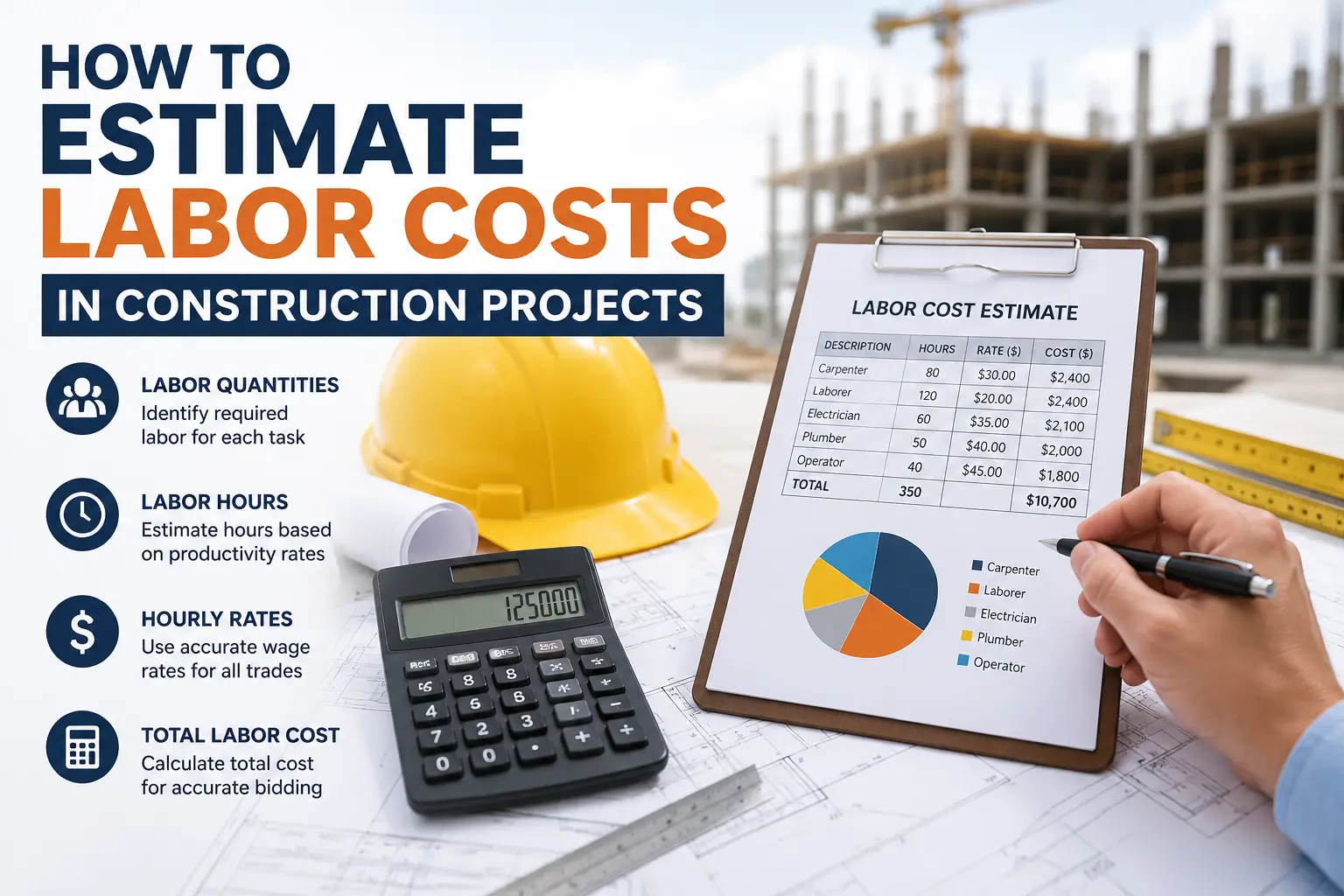
Cost estimation basically refers to predicting costs to complete a project. It entails the collection of pricing data from suppliers on materials, labour rates, and resource/supplier use. Estimates will usually be increased with historical data from prior year expenditures, other suppliers’ information or industry standards for pricing. Estimates are documented in cost estimates that detail the data used to prepare the estimated costs.
Cost estimates can happen at a few levels of depth of costing, starting with a preliminary estimate and followed by a detailed estimate or final estimate. Each step as the details of the project practice come closer to a final costing with the project’s final details. Understanding cost estimation creates the ability to ensure that the budget reflects realistic expectations for costs and not just guesswork.
Cost Diversification in Construction Projects
Construction budgets encompass a variety of different types of costs.
Direct Costs: Costs that reflect labour, materials, and equipment that are used directly in the project lifecycle at the project site.
Indirect Costs: Costs that reflect more of an administrative process that may happen to be directly related to the project. These costs could include: insurance, permits, and utilities.
Fixed Costs: Costs that will remain fixed regardless of changes (i.e. the purchase of equipment)
Variable Costs: Costs that are variable based on scope (i.e. labour hours or materials)
Contingency Funds: funds being held for unexpected expenses.
The addition of these cost classifications to project budgets will assist project managers in tracking expenditures and hopefully help them to quickly identify potential problem areas.
Get In Touch With Us Today For More Details
Ways to Apply Accurate Cost Estimating
By its very nature, accurate cost estimating is a combination of just the right amounts of experience, data, and tools.
Some of the most common methods for estimating are:
Unit Cost Estimating – Determining how much things cost based on units of measure, having a fixed cost (cost per square foot, cost per ton).
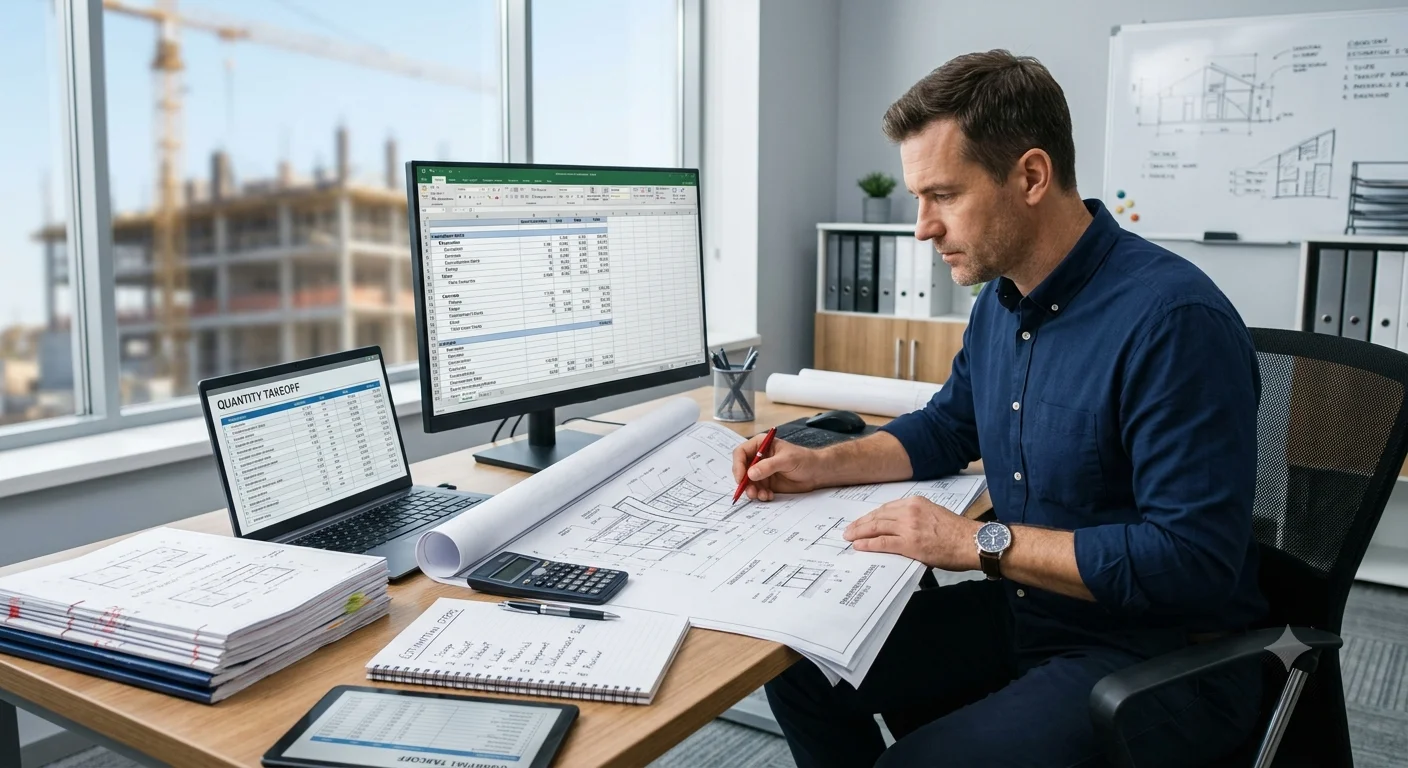
Quantity Takeoffs – Measuring the extent of all materials and labour required.
Historical Data – Using records from prior similar projects to use as benchmarks.
Software Tools (digital) -Utilising electronic programs to help more accurately and efficiently determine costs.
Getting your cost estimating skills to suffice will lessen the chances of being under-staffed, and lessen the opportunity for approaching or exceeding budget.
Construction Budgeting (Step-by-Step)
Once costs are estimated, the creation of the budget follows some defined steps:
Gather Information: These will be estimations, which can consist of both quotes from suppliers and their subcontractors.
Organise Costs: Organise costs into categories (materials, labour, equipment, overhead).
Set Aside Contingency Funds: Set aside a percentage equivalent to contingencies for unexpected costs.
Prepare the Budget: write out a detailed financial plan that includes all sections of the project.
Communicate with Stakeholders: Make sure the budget is open and everybody is on the same page.
Confirm the Budget: Approve the financial plan prior to commencing the project.
A step-by-step approach means nothing is missed, and it encourages accountability.
Mistakes You Should Avoid When Developing A Budget
Budgeting mistakes can jeopardise even the best-laid plans. Common mistakes include:
Underestimating costs: This is mainly due to failure to account for inflation, changes to the market, or hidden costs.
Not planning for contingencies: If you fail to plan for emergencies or have an emergency fund available, you will run into trouble.
Failing to account for small expenses: Small costs can quickly add up to significant overruns.
Poor communication: Poor communication between contractors, estimators, and clients can create misunderstandings.
Unrealistic schedules: When you present a rushed schedule to contractors are asking for inflated labour and overtime costs.
To avoid mistakes, don’t ignore the details, be foresightful, and plan ahead.
Tracking Expenses Related to Construction
Developing a budget is just the beginning, as you have to continue to monitor it throughout the project. Expense tracking is the process of comparing actual expenditures to planned costs. You will monitor your expenses through progress reports, invoices and other financial management tools.
When expenses are tracked on a regular basis, you increase the likelihood of identifying deviations soon enough to take corrective action prior to the problems getting worse. It also supports transparency and keeps all stakeholders aware of the financial status of the project.
Looking Back on and Revising the Construction Budget
A construction budget is a fluid document. The price of materials may change, the design may adjust, and site conditions may arise that were unexpected. Reviewing your construction budget at strategic intervals allows for adjustments to your budget to help you stay on target.
Any adjustments you make to the budget should be recorded clearly and communicated to all parties concerned with the construction project. By being flexible but thorough in managing the budget, you can have confidence that it is an accurate document for the life of the project.
Summary
A construction budget is the cornerstone of financial performance on a construction project. It is not just a financial document, but rather a strategic document that helps to inform decisions, holds individuals responsible, and provides efficiencies. Businesses can avoid costly errors and keep projects on track while maintaining financial compliance when projects are designed by identifying needs, accurately estimating costs, and tracking expenses routinely.
Whether you are a contractor, project manager, or client, it is critical to know how to create and administer a construction budget in order for a project to succeed.
FAQs
1. What is included in a construction budget?
Construction budgets are made up of direct costs (material, labor, and equipment), indirect costs (permits, insurance, and overhead), and contingencies.
2. Why is it important to factor contingencies into a construction budget?
Contingency is important to protect the project from unplanned events, such as unplanned price increases and delays, and design changes. Contingencies also keep the project within stated financial limitations.
3. How often should a construction budget be reviewed or monitored?
Construction budgets can be reviewed on a regular (monthly) or intermittent (at agreed milestones) basis to review for changes and to inform actual expenditures.
4. If a project exceeds the budget, what type of adjustments will be required?
Where a project is over budget, project changes will likely involve changes to scope, other sources of funding, or negotiations with other parties.
5. Will construction budgeting software lead to better results?
The answer is yes. Construction budgeting software provides increased accuracy, enhances expenditure tracking, and informs communication with stakeholders.